
Strategic
Alliances
KEBTAH
KEBTAH’s work is similar to how nature works... we work as a collective with kingdoms, councils, institutions, sovereign leaders, and international bodies with whom we have a long-term, mission-shaping relationship that advances shared strategic objectives.
Our mandate comes from indigenous sovereignty itself. What follows is the record of those relationships — each one named, dated, and verifiable.
THE
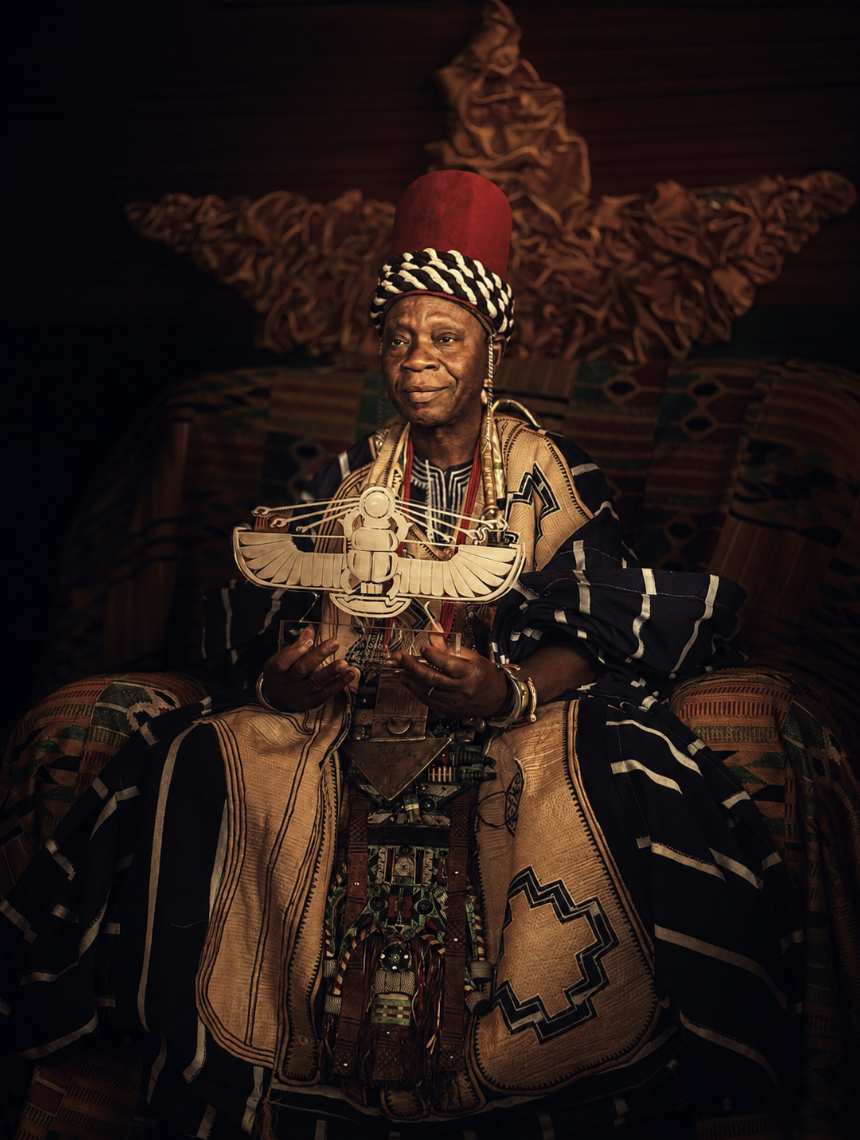
KEBTAH carries its name and its mandate by commission of the Gulmu Kingdom, a responsibility KEBTAH was given — the charge to preserve and promote humanity's ancestral heritage on behalf of the sovereign indigenous authority from the Gulmu lands.
This commission traces back over 30 years, to Neb Naba Lamoussa Morodenibig, a Dogon High Priest and Master Healer from the Gourmanche Lands of Burkina Faso, who formally requested permission from the Gulmu Kingdom to carry Kebtah's mission into the diaspora.
Every project and initiative we undertake aligns with the vision of the Gulmu Kingdom. Kebtah is accountable to the Kingdom and the lineage — that accountability guides all of our decisions.
Gulmu
Commission
In The press
April 2026 —
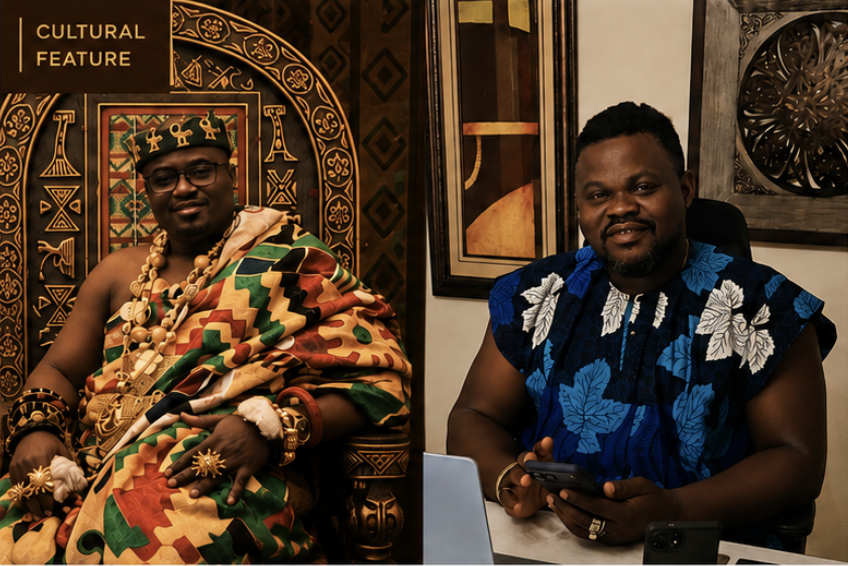
On April 2, 2026, a small meeting took place that quietly but profoundly contributed to a new era, a first step toward a formal alliance between two indigenous leaders.
Rising Firefly Journal — A Bridge Between Thrones, May 2026,
May 2026 —
A Covenant of Alliance
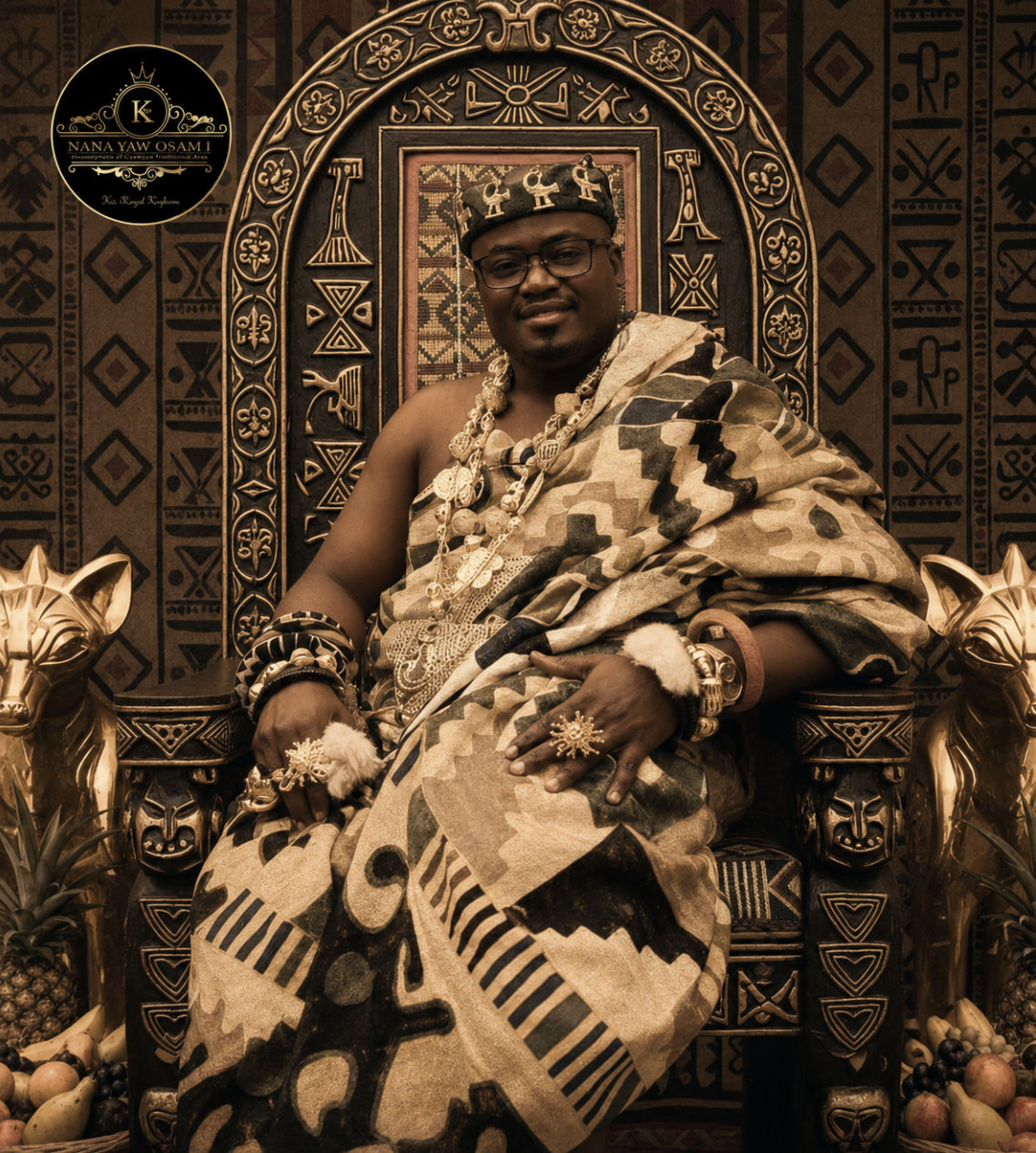
In May 2026, KEBTAH entered into a formal Memorandum of Understanding (MOU) with the Alliance Creative Community Project (ACCP) to serve children, youth, women, vulnerable communities, health, ecological balance, and sustainable development rooted in cultural truth.
"Let this be the beginning of something that outlasts us both."
- His Royal Highness King Nana Yaw Osam I
“
A Proposal Before the United Nations
July 2026 —
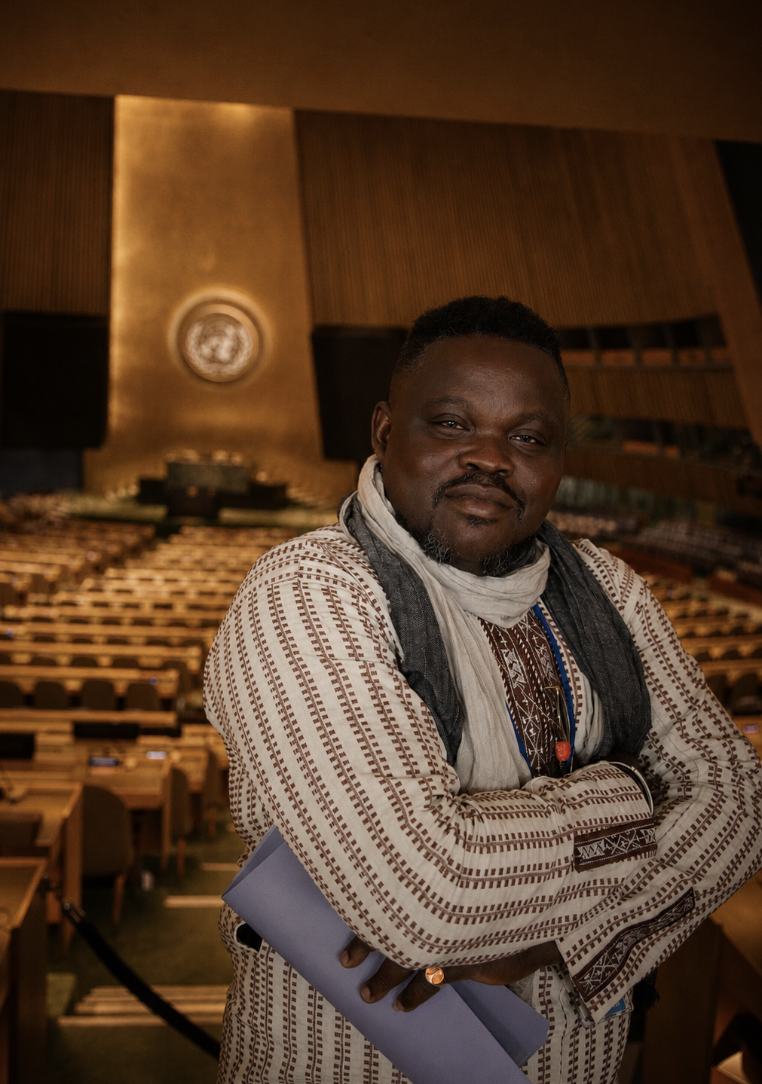
As part of the ACCP alliance, KEBTAH stands behind a formal written statement submitted to the United Nations Economic and Social Council, published as document E/C.2/2026/CRP.23.
The statement proposes the establishment of a Permanent Indigenous Expert Advisory Council — a standing technical body that would bring lineage-based indigenous knowledge directly into the working structures of UN agencies and national development programs, across four areas: regenerative economy, education, environmental stewardship, and community health.
The proposal's premise is one KEBTAH has carried for decades: that indigenous knowledge systems are not artifacts to be consulted after the fact, but tested intelligence — and that the institutions shaping humanity's future should build with it, not around it.
The Work continues
Our record continues to grow, while honoring the commitments, alliances and commissions we have agreed to. All of this is made possible by the people who support the work we do.